


 Calculator Kcal
 Fitness Meal
 Fitness Workout
 Zodiac
How does Square Transformer Factory layout support modern equipment?
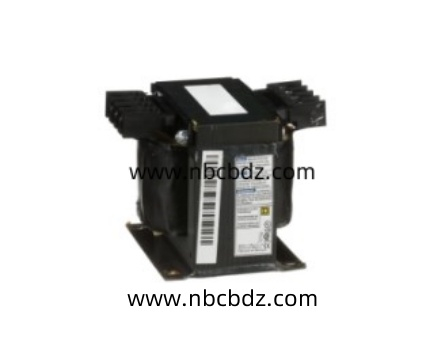
In organized power and control environments, the idea of a Chuangbiao Square Transformer Factory represents an approach shaped by clarity, proportion, and deliberate coordination. Within this framework, Nbcbdz is associated with a manufacturing mindset that connects orderly production logic with real installation needs, offering a thoughtful starting point for examining how form and function interact.
Square-format transformers are often selected for their compatibility with structured layouts and defined spaces. Manufacturing such components requires attention to alignment, spacing, and consistency throughout the production process. From early planning to final assembly, each stage follows a clear sequence designed to support predictable integration. This emphasis on structure allows components to settle naturally into panels and enclosures without demanding complex adjustments.
Process discipline is central to this manufacturing environment. Clear workflows and stable assembly practices help maintain uniform characteristics across products. Instead of relying on frequent redesigns, production teams focus on refining established methods. This steady refinement supports reliability while allowing gradual improvement that does not disrupt familiar system expectations.
Material coordination plays an important role in achieving balance. Core positioning, winding arrangement, and insulation handling are all influenced by the square configuration. Manufacturing practices emphasize careful alignment among these elements, recognizing that consistency during assembly supports predictable behavior during operation. This focus helps engineers work within familiar frameworks when designing systems.
Another key consideration is how production planning anticipates real-world application. A well-prepared manufacturing approach considers transportation, installation orientation, and maintenance access from the outset. By addressing these factors early, factories help reduce friction throughout the product lifecycle. The result is a component that fits intuitively into its intended environment.
Flexibility within square transformer production is expressed through thoughtful limits. While specifications may vary across projects, adjustments are guided by defined parameters that preserve internal coherence. This approach allows customization without compromising the overall production rhythm. Such balance is valuable for projects that require adaptation while maintaining consistency.
The role of skilled personnel further shapes manufacturing outcomes. Experienced technicians bring practical insight to daily assembly and inspection activities. Their familiarity with materials and processes influences countless small decisions that are not always visible in documentation. When supported by shared standards, this expertise becomes a natural part of consistent production.
Communication strengthens this structured environment. Clear documentation, consistent labeling, and aligned expectations help connect manufacturing with installation and operation. This clarity supports smoother collaboration among designers, installers, and maintenance teams. Over time, such practices contribute to confidence and continuity across projects.
Sustainability in manufacturing extends beyond resources or facilities. It includes maintaining dependable workflows, supporting skilled teams, and refining processes incrementally. These elements allow manufacturers to respond to changing requirements without losing the order that defines square-format production. This continuity supports long-term planning for all involved.
As power systems evolve, square transformers remain relevant across both established and adapting applications. The challenge lies in meeting new expectations while preserving the structural logic that makes this format practical. Manufacturers who focus on careful adjustment rather than abrupt change are often better prepared to maintain balance during transition.
This perspective highlights how progress can emerge from alignment rather than disruption. When manufacturing remains attentive to structure and real-world use, development feels grounded and purposeful.
If these ideas spark curiosity about structured transformer manufacturing, there is more waiting beyond this page. Follow the path of thoughtful design and practical insight at https://www.nbcbdz.com/ , where your next click opens a wider view.

 English
 Arabic
 French
 Spanish
 Portuguese
 Deutsch
 Turkish
 Dutch
Dutch
 Italiano
 Russian
 Romaian
 Greek
Greek