


 Calculator Kcal
 Fitness Meal
 Fitness Workout
 Zodiac
Can Hopeway AMD Sterilization Indicator Label Improve Daily Pack Control?
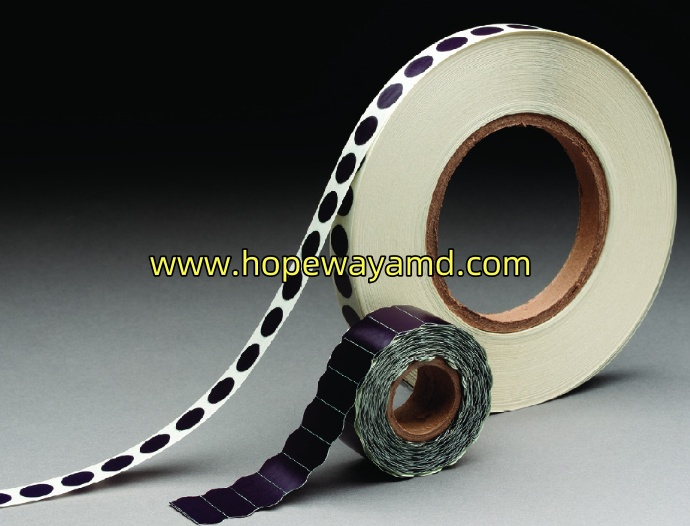
In sterile processing and medical packaging routines, a Sterilization Indicator Label is often used to make daily checks clearer and handoffs more reliable. With Hopeway AMD, many teams focus on practical tools that support consistent labeling habits, smoother coordination, and a more organized release process across different work areas.
Sterilization work is built on repeatability. The same steps must be followed carefully, even when workloads change or staffing shifts rotate. In this environment, labeling is not a minor task. It is a communication tool that connects preparation, processing, storage, and final use. A well-managed labeling routine helps teams avoid confusion, reduce unnecessary questions, and keep attention on correct handling.
A label can support the workflow in several ways. It helps identify packs and makes it easier to separate processed items from those still waiting for a cycle. It also supports quick visual checks during routine inspections. When packs move between stations, clear labeling habits reduce the chance of misplacement and help teams maintain a clean, structured work area. This matters because sterile processing is not only about the sterilizer itself; it is about the entire chain of preparation and handling around it.
Many departments aim to strengthen traceability and internal documentation. While formal records are typically maintained through batch tracking systems or written logs, labels play a daily role in reinforcing discipline. They encourage consistent behavior: apply the label correctly, verify it at the right time, and keep the pack status clear. When these habits become routine, the department benefits from fewer interruptions and fewer process deviations.
Another important factor is teamwork. Sterile processing often involves multiple roles, and each role sees the pack from a different perspective. A technician may focus on assembly and packaging. Another person may focus on loading and unloading. A supervisor may focus on release decisions. Receiving staff may focus on readiness and storage order. A clear label helps these roles communicate without relying on memory or assumptions, supporting smoother cooperation across the entire workflow.
Good labeling routines also support training. New staff members learn faster when the process is visually structured and consistent. Labels provide simple checkpoints that guide daily work. Instead of relying on verbal reminders, the workflow itself becomes easier to follow. This reduces stress during busy periods and helps maintain stable performance over time.
Professional presentation is another benefit. Clean, clearly labeled packaging communicates care and control. In healthcare environments, small details shape trust. When a pack looks organized and well managed, it supports confidence for the people who handle it next. This is especially relevant when departments must maintain calm operations during high-demand schedules.
Sterilization monitoring is ultimately about clarity. The clearer the workflow, the easier it is to protect quality, maintain order, and support reliable distribution. Labels may seem simple, but their value often shows up in the daily rhythm of work: fewer misunderstandings, cleaner handoffs, and more consistent routines.
If you're reviewing labeling tools or refining your sterilization workflow, make your next step feel like a practical check-in: open a new tab and visit https://www.hopewayamd.com/ —you might leave with a clearer plan than you expected.

 English
 Arabic
 French
 Spanish
 Portuguese
 Deutsch
 Turkish
 Italiano
 Russian
 Romaian
 Portuguese (Brazil)
 Greek
Greek