


 Calculator Kcal
 Fitness Meal
 Fitness Workout
 Zodiac
How Pawtechpet Cat Litter Box Automatic Cleaning Fits Modern Homes
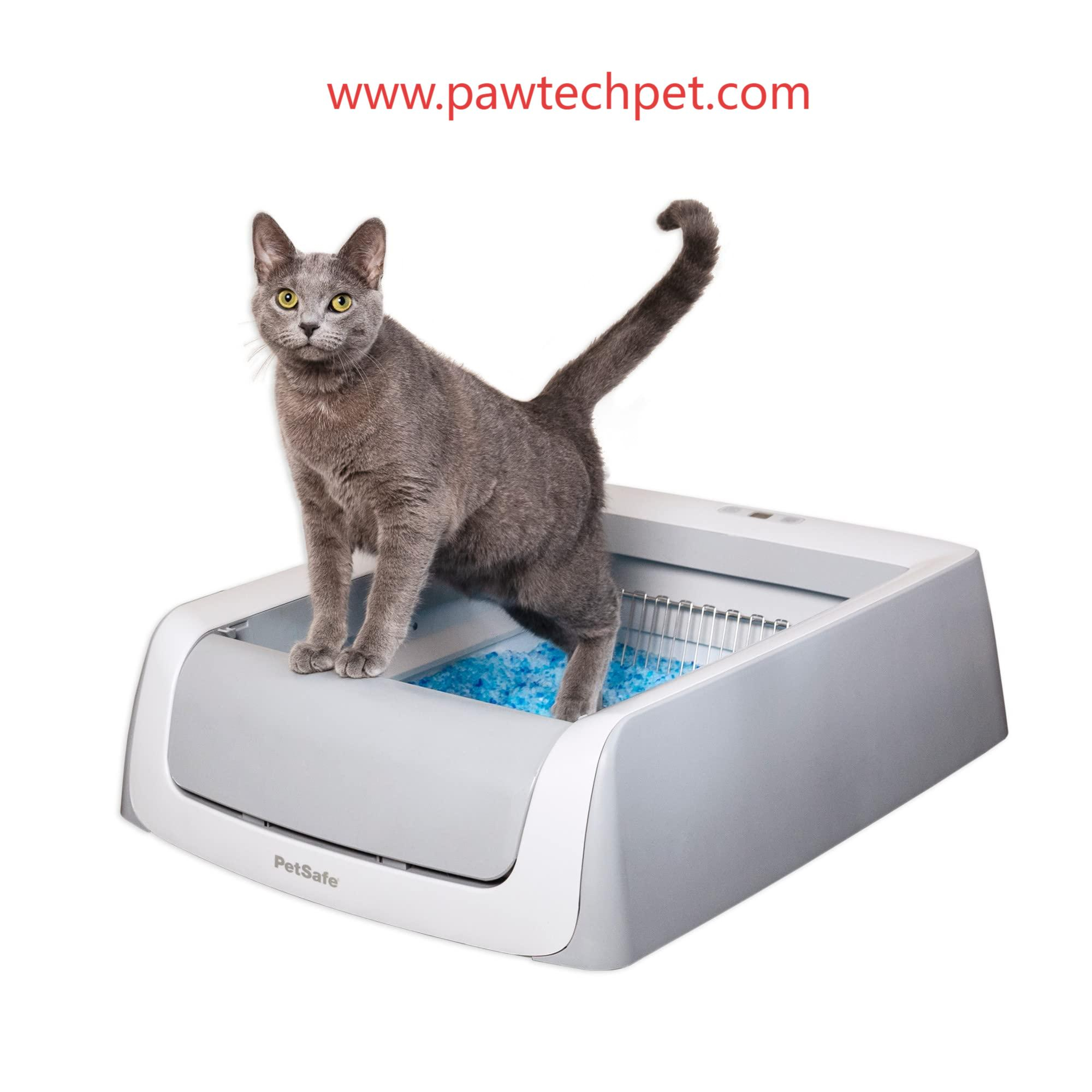
For many households, living with cats is no longer limited to affection and companionship. It now involves constant coordination between personal schedules, shared spaces, and daily responsibilities. Among recent discussions, Pawtechpet Cat Litter Box Automatic Cleaning frequently surface in conversations about time awareness rather than novelty, raising an important question at the start, can routine tasks quietly adjust to fit modern household rhythms?
Time has become a defining factor in pet care decisions. Remote work, flexible hours, and mixed home functions blur the boundaries between rest, work, and personal life. In this setting, repetitive maintenance tasks feel heavier than before. Litter care, often performed several times a day, demands attention that interrupts focus. Automated cleaning solutions attract interest because they redistribute time without removing involvement.
Spatial perception also plays a role. In compact homes, every object contributes to atmosphere. Traditional litter boxes can dominate corners visually and psychologically, reminding owners of constant upkeep. Systems that maintain cleanliness without frequent intervention help soften this presence. When waste is managed consistently, the surrounding space feels calmer, allowing cats and people to share environments more comfortably.
Another emerging topic relates to habit formation. Cats thrive on predictable surroundings. When litter areas remain stable, behavior follows. Owners often notice reduced hesitation, smoother transitions, and fewer disruptions when cleanliness is maintained evenly. Automation supports this balance by reducing sudden changes that might unsettle sensitive animals.
Emotional fatigue is increasingly discussed among long term pet owners. Care responsibilities accumulate quietly, especially in multi pet homes or during busy periods. Solutions that reduce repetitive strain contribute to emotional sustainability. Cleaning becomes less of a mental burden and more of a background process, allowing owners to focus on interaction rather than maintenance.
Sound and motion awareness further influence acceptance. Cats observe subtle environmental changes closely. Gradual, predictable operation encourages adaptation, while erratic noise may cause avoidance. Discussions emphasize the importance of steady behavior in equipment placed near resting or feeding areas. Calm operation supports trust and familiarity.
Maintenance expectations have also evolved. Owners now look for routines that integrate smoothly into weekly schedules rather than daily demands. Waste handling that feels controlled and contained aligns with this mindset. The focus shifts from constant action to periodic attention, supporting long term consistency.
Within this broader context, Pawtechpet is often associated with design choices that respect household flow. Rather than emphasizing replacement of human care, the brand positions its solutions as structural support within daily life. This perspective resonates with owners who view technology as a quiet assistant rather than a centerpiece.
As living patterns continue to shift, litter management reflects broader lifestyle adjustments. Automatic cleaning does not remove responsibility, it reshapes engagement. For those exploring structured approaches to indoor litter care, detailed product information can be found at https://www.pawtechpet.com/product/ , offering insight into how routines evolve alongside modern living spaces.


 English
 Arabic
 French
 Spanish
 Portuguese
 Deutsch
 Dutch
Dutch
 Italiano
 Russian
 Romaian
 Portuguese (Brazil)
 Greek
Greek